
Care settings

AI support for every stage of senior care

From independent living to dementia care, NeuraVue adds an intelligence layer to cameras a community already has. It is for long-term care, memory care, assisted living, dementia and behavioural support, and aging in place.

A nurse is sitting in the driver's seat of a car using a tablet.
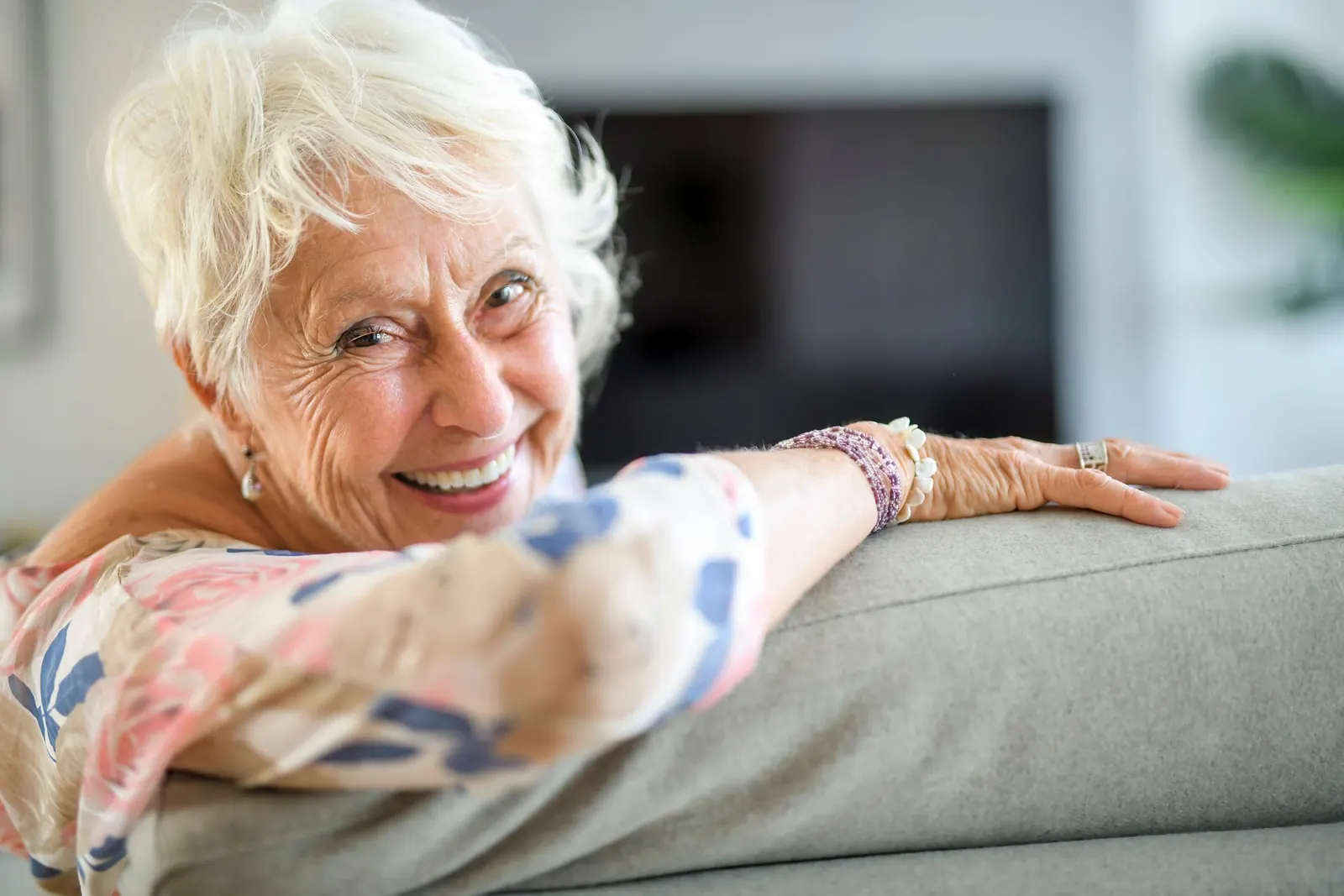
An elderly woman is sitting on a couch and smiling.

Independent Living

Supporting independence with earlier awareness

For seniors living independently, NeuraVue can flag falls, distress, or unusual situations and alert caregivers or family. The community’s existing cameras provide the feed. No new cameras.

Use cases

  • Alerting family when a potential fall is detected in a private home, so someone can check.
  • Noting wandering that could lead to an unsafe outing. NeuraVue does not physically prevent movement.

What this supports

  • Seniors can keep their routine while caregivers hear about events that need a person.
  • Families can be notified. Alerts are not a substitute for care.
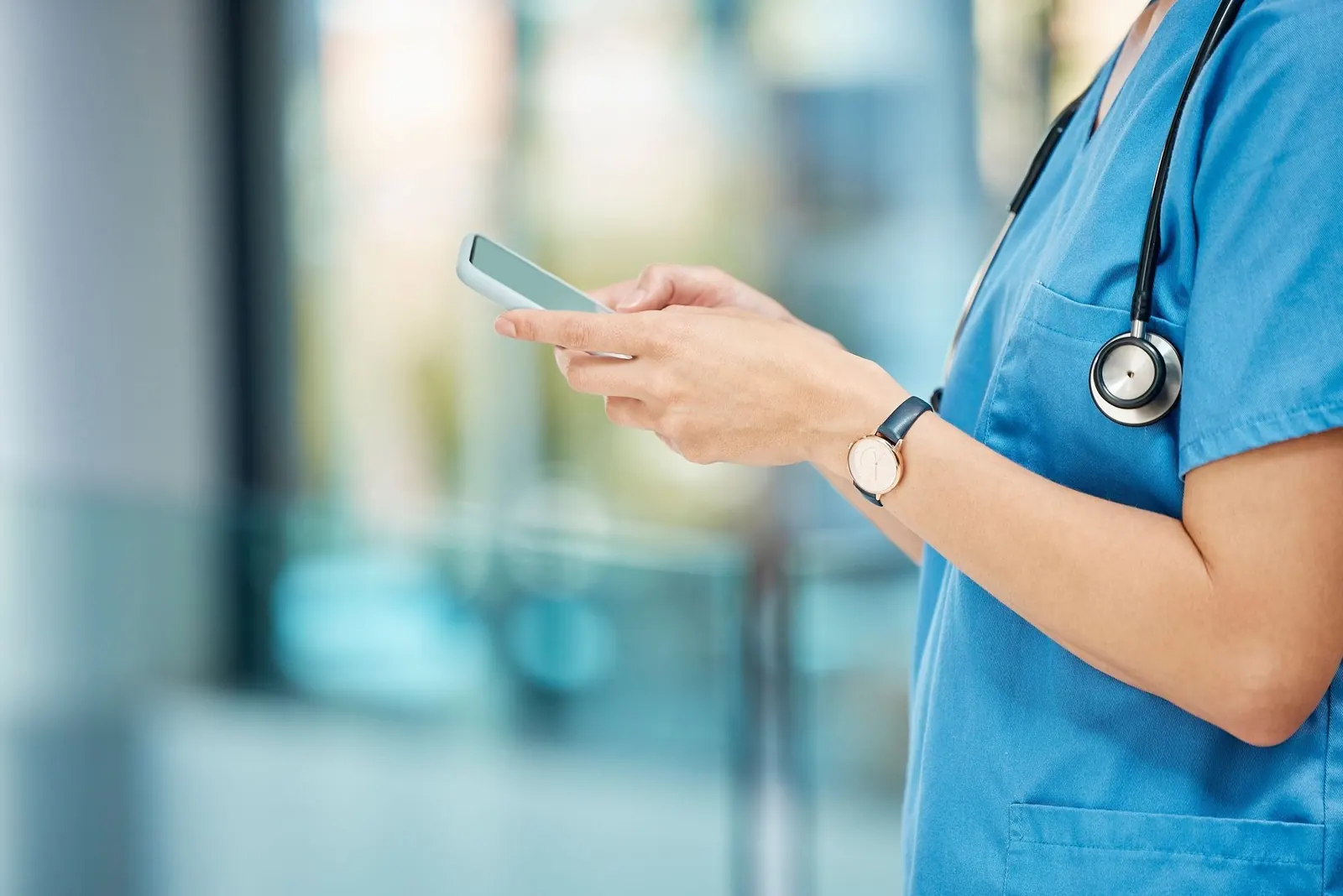
A nurse is using a cell phone in a care setting.

Assisted Living

Helping staff focus on residents

In assisted living, NeuraVue supports staff by notifying caregivers of events or boundary crossings they should review. It does not replace staff.

Use cases

  • Alerting staff when wandering at night approaches an unsafe area.
  • Recognizing observable distress in communal spaces.

What this supports

  • Staff spend less time watching every camera and more time with residents.
  • Common areas can be covered together. An average facility has about 50 cameras in common areas.
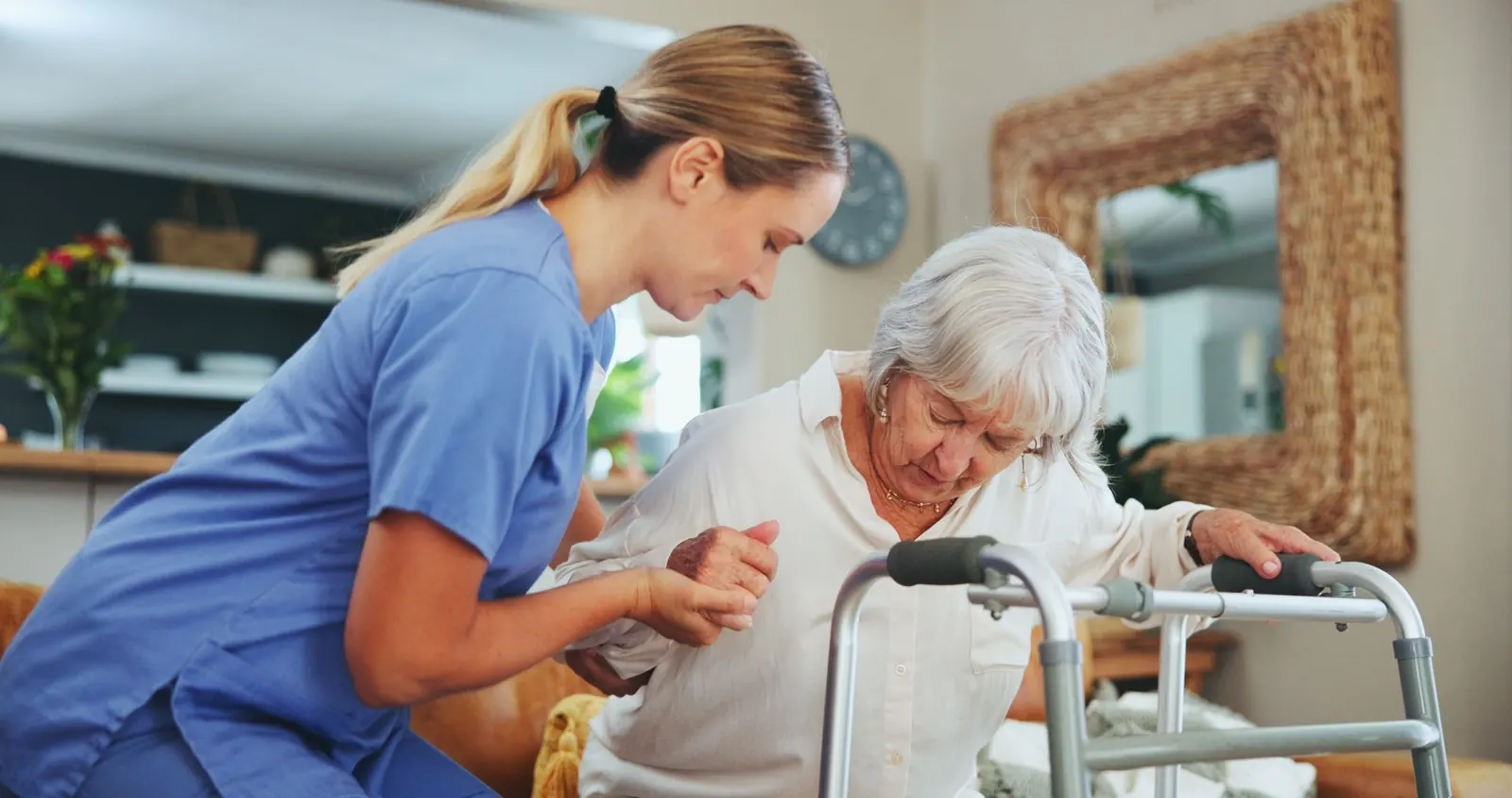
A nurse is helping an elderly woman use a walker.

Aging in Place

Staying at home with a care team in the loop

NeuraVue can make aging in place easier to support by detecting events on the cameras already in the home and notifying family or a caregiver. Help still comes from a person.

Use cases

  • Alerting a remote caregiver when a potential fall is detected.
  • Noting unusual inactivity that a caregiver may want to check.

What this supports

  • Seniors can remain at home while staying connected to people who respond.
  • Works with existing cameras. No new cameras.
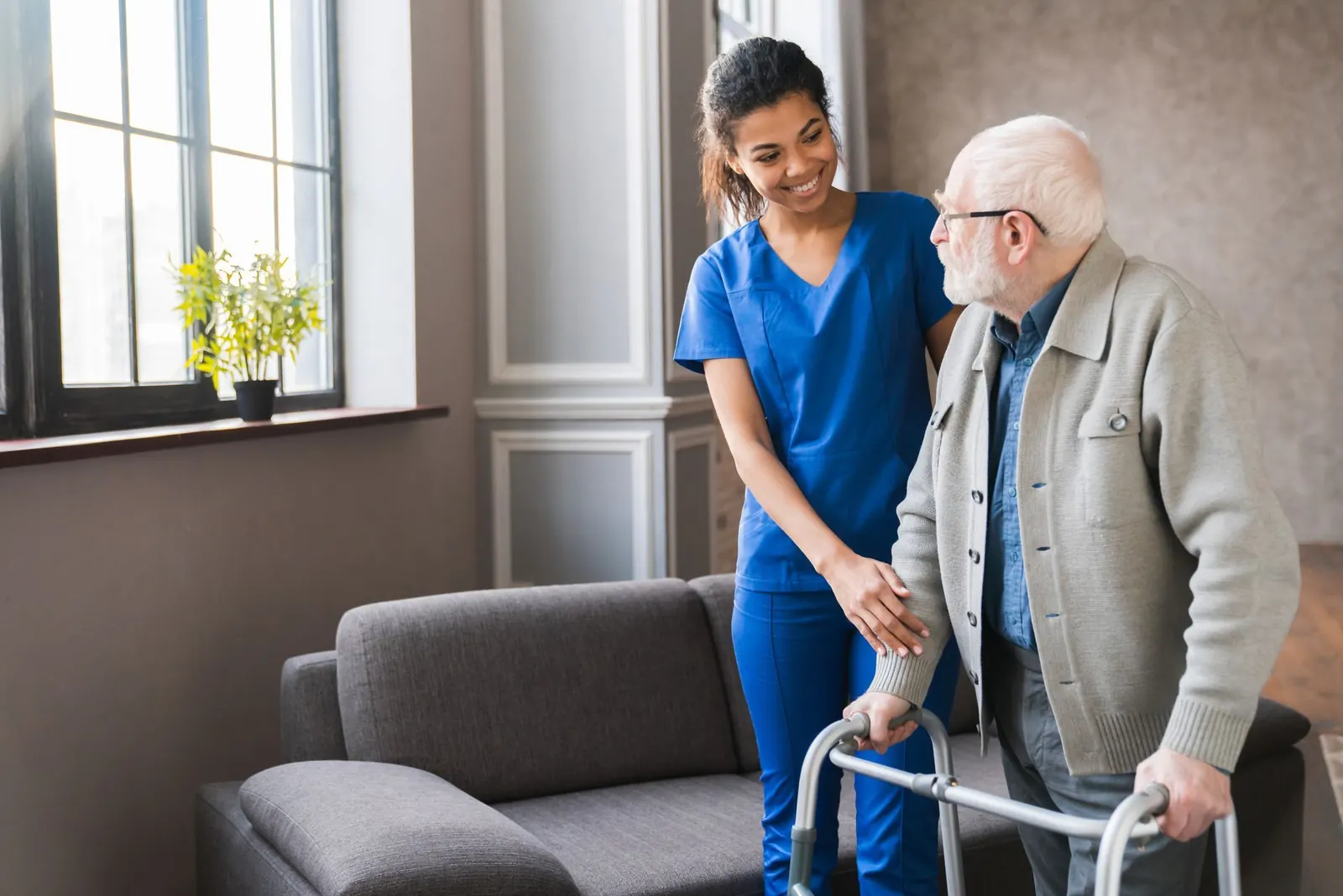
A nurse is helping an elderly man with a walker.

Skilled Nursing

Supporting round-the-clock care teams

In skilled nursing, NeuraVue helps staff notice emergencies and unusual physical interactions that may indicate potential abuse. Monitoring supports the team. It does not replace rounds, investigations, or clinical judgment.

Use cases

  • Alerting night staff when a potential fall is detected.
  • Flagging unusual physical interactions during transfers for staff review. A flag does not prove abuse.

What this supports

  • Continuous monitoring in common areas, with a person still deciding what to do.
  • Alerts by email, SMS, or mobile app.
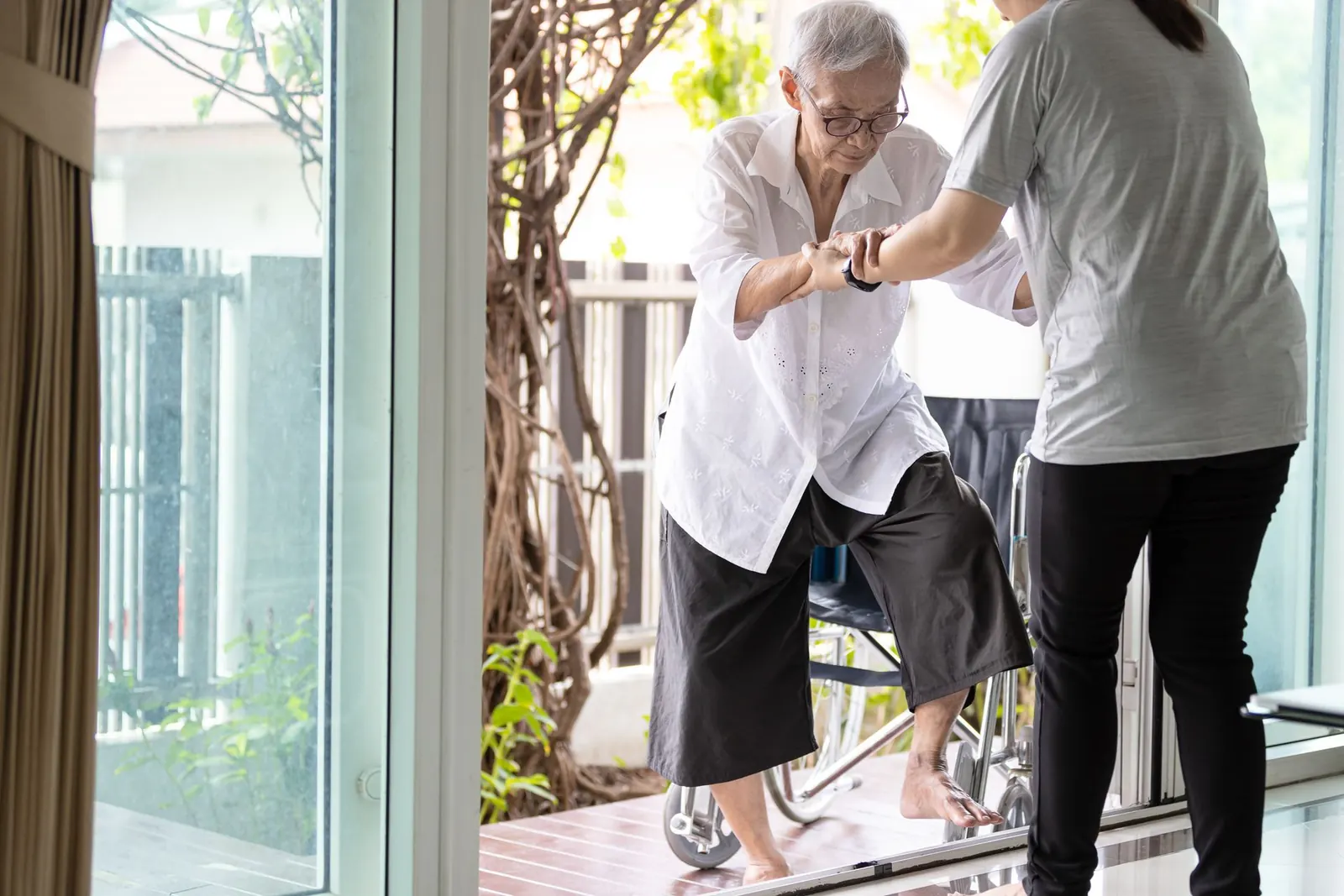
A woman is helping an elderly woman in a wheelchair.

Specialized Services: Dementia Care

Awareness for memory care

Dementia and behavioural support need close attention. Wandering and zone alerts, plus distress recognition, help caregivers intervene. NeuraVue does not stop a resident from moving.

Use cases

  • Notifying staff when a resident with dementia moves toward a restricted zone.
  • Alerting caregivers to observable agitation or distress.

What this supports

  • Wandering awareness, not physical prevention.
  • Distress recognition for timely human support.
  • Common-area monitoring that respects dignity.

AI support built for senior-care settings

Book a demo or contact the team. NeuraVue does not replace caregivers.